Examining Ethics in the Industry: Cosmetics
Updated: Apr 29, 2020

Whether it be over poorly sourced ingredients, excessive amounts of plastic packaging, or disgraced sponsors, the cosmetics and beauty industry seems to be almost always embroiled in scandal. At present, the cosmetics and beauty industry is valued at a staggering $532 billion, with ethical and sustainable brands comprising a growing portion of that.
For today's post, we are taking some of the information we discussed previously on the blog and applying it to some real, well known companies. In our examination of the cosmetics and beauty industry, we will be looking closely at the trends in ethical marketing and discussing the influence they have had on three brands.
Love, Beauty, Planet
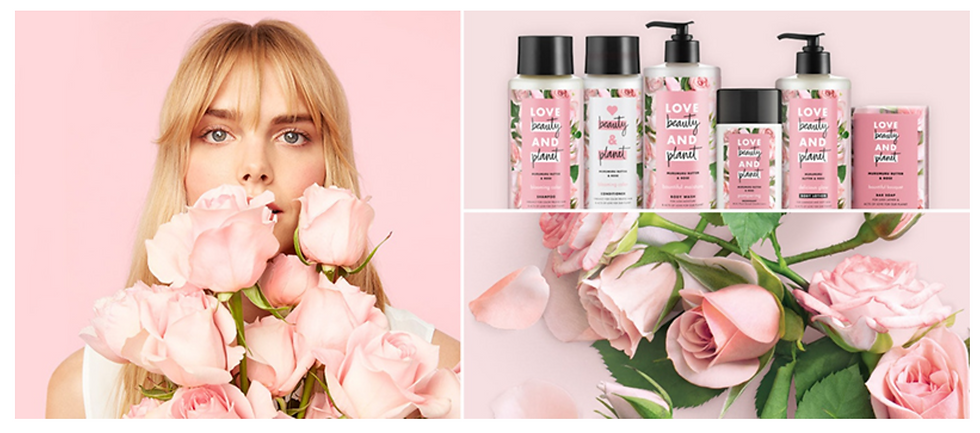
Love, Beauty, Planet. I mean, the name sounds pretty good, right? What ethically minded cosmetics consumer doesn't want to love both beauty and the planet in 2020? However, behind the pretty name, promise, and packaging, some reports say this brand isn't all it says it is.
Love, Beauty, Planet (LBP) is made with ingredients sourced ethically and sustainably and packaged in a bottle made of 100% recyclable materials. However its owner, Unilever, is one of the biggest producers of plastic packaging that you see in mainstream grocery stores. LBP appears to be one of Unilever's first attempts at cracking into a new market of eco-friendly products, as well as a chance to improve the company's reputation.

Unilever has committed itself to having 100% recyclable packaging by 2025, which is a step in the right direction. The company has received numerous awards for its efforts to reduce its environmental impact and was even called the world's largest NGO. The company has made a commitment to reduce its carbon emissions and will hold itself accountable through a carbon tax. However, it has received criticisms over its decision to continue to test on animals.
Despite Unilever's apparent victory with this natural products line, many feel that it is simply another example of greenwashing. Some consumers feel that Unilever is attempting to hide behind this brand without owning up to its own production and pollution.
Lush
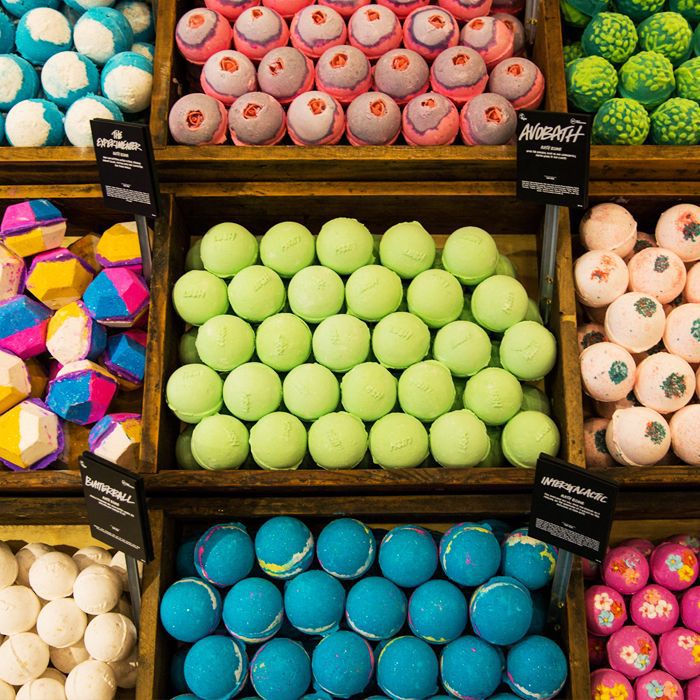
Lush Cosmetics was one of the original leaders in cruelty free, vegan, and package free products. It gained a loyal customer base early on for its organic and ethically sourced ingredients long before sustainability and environmentalism became mainstream or trendy. Before the proliferation of social media, many were willing to take Lush's claims at face value without doing any research. However, now with higher competition for dollars in the sustainable beauty industry, Lush has come under fire for its use of parabens and other preservatives in many of its products. Some consider it greenwashing that Lush markets itself using terms like "natural" and "fresh" when its products have a relatively high amount of preservatives in them as compared to other natural brands. Additionally, despite Lush's high visibility commitment to animals, approximately 33% of its products are not suitable for vegans, as they contain products derived from animals such as beeswax and milk.

Overall, Lush has not explicitly greenwashe, and has actually been making an effort to respond directly to the concerns of customers. They invited a popular YouTuber who focuses on sustainability to tour their factory and ask questions on behalf of her fans. This seems to have been a good step and falls into the category of transparency. Lush has a benefit over competitors such as Love, Beauty, Planet in that it owns 100% of its supply chain and it not owned by another corporation.
Glossier

Glossier is a new brand that has more or less taken the beauty industry by storm. It is known for its bare faced models who usually look like normal, human women, instead of the air brushed and chiseled faces we are so used to seeing in advertisements. Glossier, which is completely independent, is 100% vegan and never tests on animals. It has received rave reviews over its commitment to "skin first, makeup second", based on the idea that with fresh and natural ingredients, customers can avoid skin problems caused by harsh chemicals and preservatives, not meant for skin. It does not have brick and mortar stores, and operates completely online and with only a few flagship stores located in the U.S.
Glossier does use excessive packaging for its products, partly due to the fact that they must be shipped. However, the box it is mailed in is completely recyclable and products are delivered in a reusable makeup pouch. Overall, Glossier does appear to follow through on its commitments to ethicality, and does not appear to be greenwashing in its promotion.
Some of the criticisms it has received, however, relate to the quality of the products themselves. Some customers have reported the products are too gentle on skin to even make much of an appearance or a difference.
If you are interested in reading further, Glossier's commitment to supply chain transparency can be found here.


Comments